


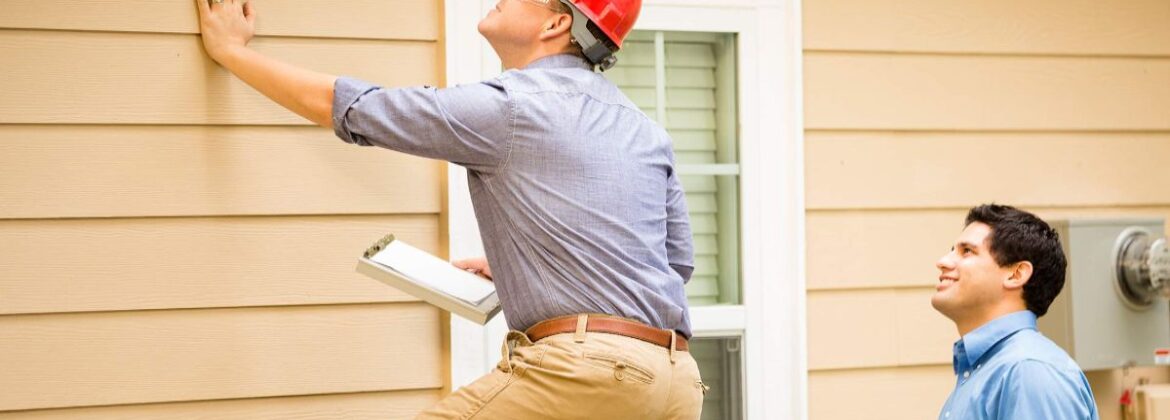
Buying a home is one of the most significant financial opinions you will ever make. A thorough house inspection is essential to ensure that the property you are interested in is worth your investment. Indeed if a home looks perfect at first glance, hidden issues could turn your dream home into a nightmare. This guide will walk you through how to inspect a house, important questions to ask, red flags to look out for, and how to make an informed decision.
How to Inspect a House
It’s now advisable to purchase a home without conducting a detailed inspection. You have two options inspect it yourself or hire a professional structure inspector. While hiring an expert comes at a cost, they can identify potential problems you might overlook.
House inspections generally last about 30 minutes and are conducted either as part of an open house or through a private appointment. However, tenants may be present, so be respectful of their space, if the property is occupied. Also, before finishing the purchase, a pre-settlement inspection allows you to ensure the home is in the expected condition.
8 Essential Questions to Ask During an Inspection
Asking the right questions during a home inspection can give precious insights into the property’s condition and value. Here are some crucial questions to consider
Have Any Renovations or Modifications Been Made?
Understanding once renovations can help you assess the home’s value and any implicit restrictions if you plan to make future changes.
Why Are the Owners Dealing?
Knowing the reason behind the trade, along with how long the property has been on the market, can help you gauge the seller’s motivation and your negotiation power.
What trade Price are the possessors awaiting?
This information will help you determine whether the house fits within your budget and whether there is room for price negotiation.
Are There Any Structural Issues?
Look for defects such as cracks in the walls, sagging ceilings, or signs of water damage. These could indicate costly repairs in the future.
Can I See Recent Property Reports?
Request reports similar to pest inspections, soil tests, and building condition assessments to avoid unforeseen structural problems.
What Amenities Are Near?
Ask about proximity to schools, public transport, shopping centers, and other essential services to ensure convenience. Are There Similar parcels for trade in the Area?
Comparing the home with other listings can give you an idea of whether it’s priced fairly or if there are better options available.
What Direction Does the Property Face?
Sun exposure affects energy efficiency and comfort, making this an important factor to consider.
Key Effects to Look for During a House Inspection
In addition to asking the right questions, then are some essential aspects to check
Water Damage and Mold
Check under sinks and inside closets for leaks or dampness.
Cracks in Walls
Small cracks may not be an issue, but large cracks can indicate structural problems.
Bathroom Ventilation
Poor ventilation can lead to mold, which affects health and air quality.
Doors and Windows
Test them to ensure they open and close properly.
Lights and Power Points
Turn lights on and out to check for flickering or electrical faults.
Noise situations
A quiet neighborhood during an inspection may be noisy at other times.
Room Sizes and Layout
Measure rooms to confirm they match the listed dimensions.
Roof and Ceiling Condition
Look for sagging ceilings or signs of roof damage.
Gutters and Drainage
Rusty or clogged gutters can lead to water damage.
Plumbing Issues
Check taps for water pressure and leaks. Flooring Condition
Look for loose carpets, rotting floorboards, or uneven surfaces.
Peeling Paint
This could indicate poor maintenance or implicit water damage.
Natural Light and Ventilation
A well-lit home feels more spacious and energy-effective.
Neighborhood Factors
Check for near schools, hospitals, parks, restaurants, and public transport options.
Red Flags to Watch for in a Home Inspection
Not all issues are deal-breakers, but some major red flags could indicate serious problems that may require precious repairs.
Extensive Pest Damage
Termites, rodents, and other pests can cause significant structural damage. A pest inspection can help detect infestations.
Structural Problems
Major cracks, sagging floors, and deteriorating foundations can lead to costly repairs.
Water Damage and Mold
Patient moisture issues can mean poor drainage or leaking pipes, leading to mold growth and structural weakness.
Bad Odors
Unpleasant smells, similar to pet urine or sewage, could indicate underlying issues like plumbing leaks or environmental enterprises.
Poorly Done DIY Renovations
Former owners may have tried unapproved variations, which could pose safety risks or violate original structure codes.
Other warning signs include suspiciously fresh paint covering only one wall (which might be hiding damage), missing property reports, or a history of legal issues tied to the home, similar to crime incidents that could affect property value.
Final Thoughts
Making a Smart Home Buying Decision
However, Whitealpaca Finance is then to help you secure the best financing options, if you are planning to buy a home. Contact us today for expert mortgage advice and start your home-buying journey with confidence!
Frequently Asked Questions
Do I Need a Professional Inspector, or Can I Do It Myself?
While you can do a basic inspection, hiring a professional ensures that no critical issues go unnoticed.
How Long Does a House Inspection Take?
A typical inspection lasts about 30 minutes to an hour, depending on the property’s size.
Can I Negotiate the Price Grounded on Inspection Findings?
Yes, if the inspection uncovers issues, you can request repairs or negotiate a lower price.
What Should I Bring to a House Inspection?
A flashlight, tape measure, checklist, tablet, and phone for prints are useful tools.
Is a Pre-Settlement Inspection Necessary?
Yes, this ensures the property is in the agreed-upon condition before you finalize the purchase.
Leave A Comment